The Gutter and Grading Myths That Keep Homeowners Guessing
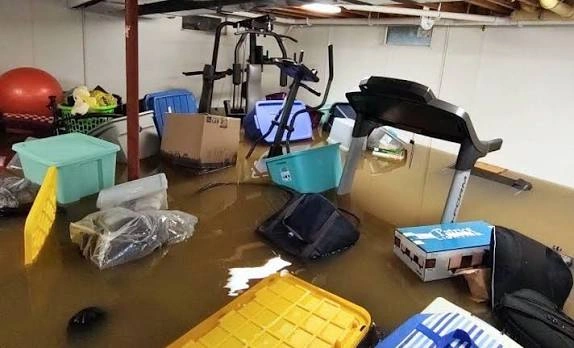
Most homeowners assume a flooded basement means a storm overwhelmed the house, so they wait for dry weather and figure the problem will fix itself. That assumption misses what’s actually happening below ground, where water can keep moving through soil and foundation cracks long after the rain has stopped. Groundwater behaves on its own schedule, and a basement can take on water two or three days after a storm has cleared the area entirely.
Another common belief is that clogged gutters are always the main culprit. Gutters matter, and a downspout dumping water right next to the foundation certainly doesn’t help, but plenty of basements flood even with spotless gutters and perfectly sloped yards. The real issue often sits underground, in hydrostatic pressure building against foundation walls or in a sump pump that simply can’t keep pace with saturated soil. Treating gutters as the whole solution leaves the deeper mechanics of the problem untouched.
Reading the Signs Before the Water Shows Up
Basements rarely flood without warning if you know what to look for. Hairline cracks in the foundation, a musty smell that lingers no matter how often you clean, or efflorescence — that chalky white residue on concrete — all point to moisture working its way through the walls before standing water ever appears. Paying attention to these early signals gives homeowners a chance to act before a minor seep turns into a soaked carpet and ruined drywall.
Once water has already pooled, the response needs to move fast and address both the water and what it leaves behind. Extracting standing water within the first 24 to 48 hours makes a measurable difference in whether mold takes hold in wall cavities and under flooring. Professionals who specialize in water damage restoration use industrial dehumidifiers and moisture meters to confirm that walls and subfloors have actually dried out, not just that the surface looks dry, since trapped moisture behind drywall can keep causing damage for weeks without anyone noticing. Skipping that verification step is one of the most common reasons basements flood again a few months later, even after a cleanup crew has already come through.
Homeowners who try to shortcut this process with box fans and a few open windows often end up with a basement that looks fine on the surface while mold spreads quietly behind the baseboards. Humidity readings, not visual inspection, are what actually confirm a space has dried properly. That gap between what looks dry and what is dry explains why so many flooded basements develop recurring odor and allergy issues months after the initial event.
Fixing the Water Path, Not Just the Puddle
Once the immediate water is gone, the real work is figuring out where it came from and interrupting that path permanently. For many homes this means regrading soil near the foundation so water flows away from the house instead of pooling against it, or installing a French drain system that channels groundwater before it ever reaches the basement walls. A sump pump with battery backup is worth the investment for anyone who has lost power during a major storm, since that’s often exactly when the pump is needed most.
Sealing foundation cracks with hydraulic cement or an injected epoxy addresses the visible entry points, but it won’t help much if the grading and drainage around the house are still pushing water toward the foundation. Think of crack sealing as the last line of defense, not the first one. Homes on clay-heavy soil, which drains slowly and holds water against foundation walls, often need a combination of exterior waterproofing and interior drainage to stay dry through a full season of heavy rain.
Ventilation and ongoing humidity control matter just as much as the structural fixes. The EPA mold and moisture remediation guide, accessible through EPA mold and moisture remediation guide, outlines how keeping indoor humidity below 60 percent substantially reduces the conditions mold needs to establish itself, which is useful guidance for anyone finishing a basement after a flood. Running a dehumidifier through humid months, even when there’s no visible water problem, keeps a previously flooded basement from becoming a repeat offender. Combining that habit with the drainage fixes above gives a basement a real shot at staying dry through years of changing weather rather than just the next storm.