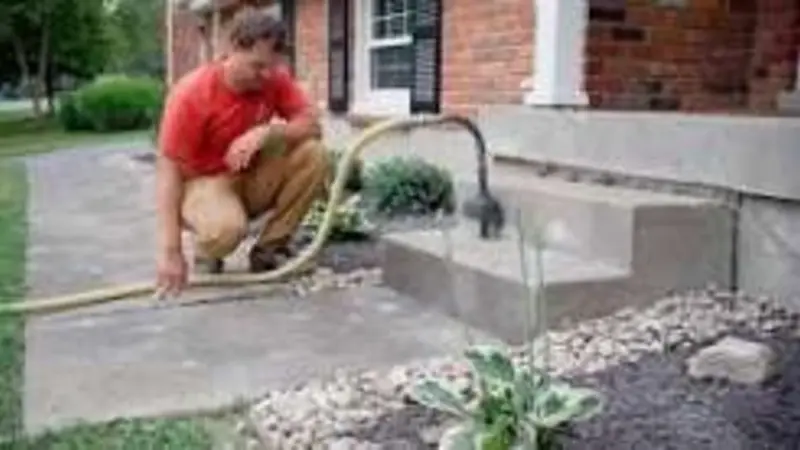
Sunken, settled, or uneven concrete is both a trip hazard and an aesthetic problem — and it’s one that property owners often don’t address because they assume the only option is full replacement. Concrete lifting and leveling is a less expensive and less disruptive alternative that restores level surfaces without the cost and mess of tear-out and replacement.
How Concrete Lifting Works
Concrete Lifting and Leveling uses one of two primary methods: mudjacking (pumping a slurry of soil and cement through holes drilled in the slab to fill voids and raise the concrete) or polyurethane foam injection (injecting expanding foam that lifts the slab as it cures). Both methods can be completed in hours and allow normal use of the surface within a day.
The Concrete Foundations Association provides technical resources on concrete repair and remediation methods, including the conditions under which lifting and leveling is an appropriate solution versus when replacement is necessary.
When Lifting Works and When It Doesn’t
Concrete lifting works when the concrete slab itself is in good condition but has settled due to soil erosion, compaction, or void formation underneath. It doesn’t work for slabs that are cracked through, severely deteriorated, or settled because the base conditions are actively changing and will continue to cause settling after lifting.
Cost Comparison
Concrete lifting typically costs 50 to 70 percent less than full slab replacement for the same area. The labor disruption is also significantly lower — no saw-cutting, no disposal of demolition waste, no waiting for new concrete to cure. For slabs in good structural condition that have simply settled, lifting is almost always the more cost-effective solution.