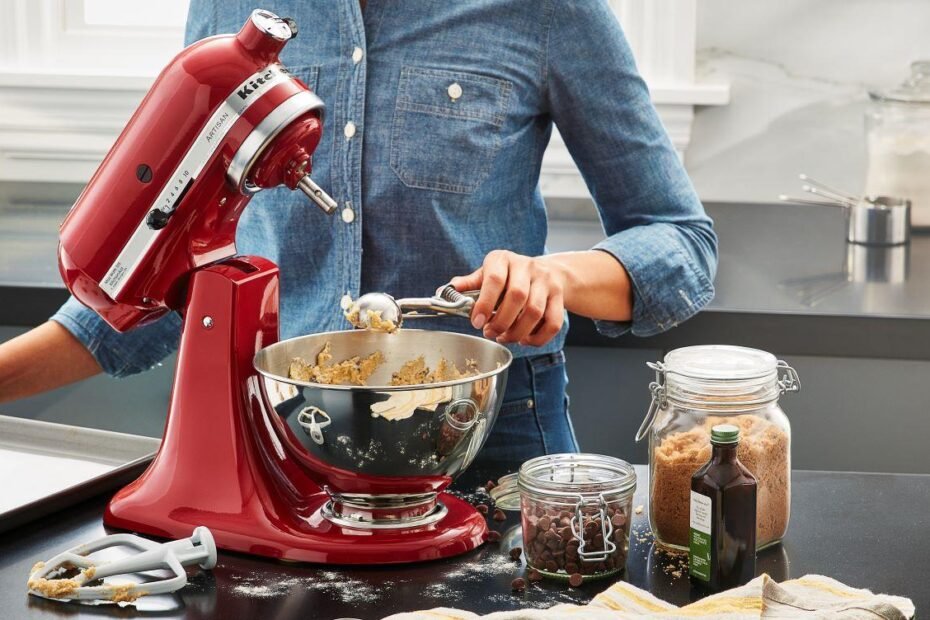
Baking cookies at home can be an enjoyable experience, but having the right kitchen tools makes the process easier, more organized, and consistent. From accurately measuring ingredients to controlling oven temperatures, modern kitchen technology helps home bakers improve their techniques and save valuable time. The concept of Cookiesforlove kitchen tech tools focuses on practical equipment that supports baking and everyday cooking. Whether you are a beginner preparing your first batch of cookies or an experienced baker experimenting with new recipes, choosing suitable tools can improve your overall kitchen experience.
In this guide, we explore essential kitchen tech tools, their benefits, and how to choose the right equipment for your baking needs.
What Are Kitchen Tech Tools?
Kitchen tech tools are devices and appliances designed to simplify cooking, baking, food preparation, and kitchen organization. They range from simple digital gadgets to advanced appliances with programmable settings and temperature controls.
Common examples include digital kitchen scales, electric mixers, smart ovens, food processors, digital thermometers, and kitchen timers. Each tool serves a specific purpose, helping cooks complete tasks with greater convenience.
However, buying every available gadget is unnecessary. The most valuable kitchen tools are those that solve practical problems and fit your cooking habits.
1. Digital Kitchen Scale for Accurate Measurements
A digital kitchen scale is one of the most useful tools for baking cookies. Accurate ingredient measurements can help bakers achieve more consistent results, particularly when recipes require precise amounts of flour, sugar, or butter.
Unlike measuring ingredients only by volume, weighing ingredients provides a standardized measurement in grams or other units. This can help reduce variations between batches.
When choosing a digital kitchen scale, consider the following features:
- Clear and easy-to-read display
- Tare function for resetting the weight
- Multiple measurement units
- Suitable weight capacity
- Easy-to-clean surface
The tare function is especially convenient because it allows you to place a mixing bowl on the scale and reset the measurement before adding each ingredient.
For additional guidance on ingredient measurements, explore the King Arthur Baking ingredient weight chart.
Mixing cookie dough by hand can require effort, especially when preparing larger batches. An electric hand mixer or stand mixer can make the process more convenient.
Electric mixers can assist with creaming butter and sugar, mixing cookie dough, preparing cake batter, and making frosting.
Choose a mixer based on your baking needs, available kitchen space, and budget. Follow recipe instructions to avoid overmixing the dough.
3. Smart Ovens and Temperature Control
The oven plays an important role in successful baking. Even when a recipe is followed carefully, differences in temperature can influence the texture, color, and baking time of cookies.
Smart ovens may offer digital temperature controls, programmable settings, cooking timers, and additional monitoring features. These functions can make oven management more convenient.
An oven thermometer is also useful because the displayed temperature on an oven may not always match the actual internal temperature. Checking oven accuracy can help bakers understand how their equipment performs.
Before baking cookies, preheat the oven according to the recipe. Avoid opening the oven door repeatedly, as this can affect temperature stability and baking progress.
4. Silicone Baking Mats
Silicone baking mats are reusable surfaces designed for baking and food preparation. They can be used on suitable baking trays and may help reduce sticking when used correctly.
For cookie baking, a silicone mat can make cleanup easier and provide a consistent surface for placing dough. However, the mat must be compatible with the oven and used according to the manufacturer’s temperature instructions.
Parchment paper is another option that many bakers use. The choice between parchment paper and a silicone mat depends on personal preference, recipe requirements, and the equipment available.
Proper cleaning and storage help maintain reusable baking mats over time.
5. Digital Kitchen Thermometers
A digital thermometer is useful for checking temperatures during different cooking and baking tasks. It can be especially valuable for recipes involving melted chocolate, sugar syrups, or other temperature-sensitive ingredients.
When choosing a kitchen thermometer, consider its measurement range, readability, response time, and ease of cleaning.
A thermometer does not replace visual checks or recipe instructions, but it can provide additional information when temperature accuracy matters.
For food safety, use the appropriate thermometer and follow reliable food-handling guidance when preparing temperature-sensitive foods.
6. Food Processors for Preparation
A food processor is a versatile appliance that can help with selected food preparation tasks. Depending on its design and attachments, it may chop, blend, slice, shred, or process ingredients.
In a baking kitchen, a food processor can be useful for preparing certain crusts, chopping nuts, or processing ingredients for selected recipes.
It is not necessary for every cookie recipe. A mixing bowl, spatula, and electric mixer may be sufficient for many common cookie preparations.
Before purchasing a food processor, consider its capacity, available attachments, cleaning requirements, and how frequently you expect to use it.
7. Digital Kitchen Timers
Timing is an essential part of baking. Cookies can change texture quickly if they remain in the oven longer than intended.
A digital kitchen timer provides a simple reminder when a baking period is complete. It is especially helpful when preparing multiple trays or working on other kitchen tasks at the same time.
Some ovens include built-in timers, while standalone timers can be used for different cooking activities.
Remember that a timer indicates elapsed time, not necessarily that food is ready. Always check the recipe’s recommended appearance, texture, and other relevant indicators.
How to Choose the Right Kitchen Tech Tools
Selecting kitchen equipment should begin with your actual baking needs. Instead of purchasing expensive gadgets immediately, identify the tasks that you perform most frequently.
For beginners, a digital scale, reliable oven, mixing tools, baking trays, and a kitchen timer may provide a practical starting point.
When comparing products, consider:
- Functionality: Does the tool solve a genuine kitchen problem?
- Quality: Is it made from suitable and durable materials?
- Ease of use: Can you operate and clean it comfortably?
- Kitchen space: Do you have enough room for storage?
- Budget: Does the equipment provide value for your intended use?
- Safety: Does it include appropriate safety features and instructions?
A more expensive appliance is not automatically the right choice. Practical features and regular use are important factors when evaluating kitchen equipment.
Kitchen Technology and Traditional Baking Skills
Modern tools can support baking, but they do not replace basic cooking knowledge. Understanding ingredient ratios, dough consistency, oven behavior, and baking times remains important.
For example, a digital scale can improve measurement accuracy, but the baker still needs to understand how ingredients work together. Similarly, a smart oven can provide temperature controls, but the recipe and baking process still require attention.
Combining useful technology with traditional baking techniques can create a more effective and enjoyable kitchen routine.
Kitchen Safety and Maintenance
Safe equipment use should always be a priority. Read the manufacturer’s instructions before operating an appliance, keep electrical devices away from water, and inspect cords and plugs for damage.
Clean tools according to their instructions, allow hot equipment to cool before handling when appropriate, and store appliances safely.
Regular maintenance can also help extend the useful life of kitchen equipment. Avoid using appliances for tasks they were not designed to perform.
Frequently Asked Questions
A digital kitchen scale, electric mixer, reliable oven, baking mat or parchment paper, and digital timer are useful options for many home bakers. The right combination depends on your recipes and baking habits.
Are smart ovens necessary for home baking?
Smart ovens are not essential for every baker. A reliable conventional oven can be sufficient when it maintains suitable temperatures and is used correctly. Smart features may provide additional convenience.
Is a digital scale better than measuring cups?
A digital scale can provide more consistent weight measurements, which is particularly useful for baking. Measuring cups can still be suitable when a recipe is designed for volume measurements.
How can kitchen tools improve baking results?
Appropriate tools can help with measuring ingredients, mixing, monitoring temperatures, and managing baking time. They support consistency but do not guarantee results without correct technique.
Conclusion
Cookiesforlove kitchen tech tools can make baking and everyday cooking more organized and convenient. From digital scales and electric mixers to oven thermometers and kitchen timers, the right equipment can support consistent results.
You do not need expensive gadgets to enjoy baking. Choose reliable tools that match your needs, learn how to use them properly, and combine modern equipment with essential baking skills.
With thoughtful equipment choices and safe kitchen practices, home bakers can make their baking routine more efficient and enjoyable.